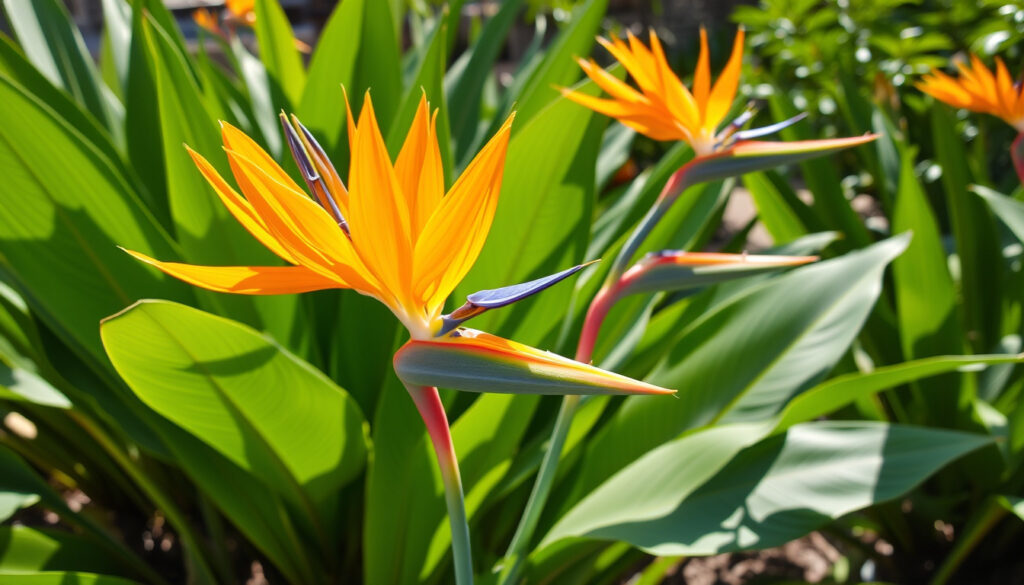
Bird of Paradise – Complete Care and Troubleshooting Guide
Bird of Paradise (Strelitzia): Complete Plant Care Guide
The Bird of Paradise plant, scientifically known as Strelitzia, refers to a genus of tropical flowering plants native to southern Africa. These striking plants have gained popularity worldwide as both indoor specimens and outdoor landscape features, thanks to their dramatic paddle-shaped leaves and distinctive bird-like blooms. Understanding the specific needs of your Strelitzia—whether you are cultivating Strelitzia nicolai, the giant white bird of paradise, or Strelitzia reginae with its vibrant orange flowers—can make the difference between a struggling specimen and a thriving showpiece.
Despite their exotic appearance, these plants are relatively forgiving once their basic requirements are met. They share common needs for bright light, consistently moist soil that drains well, and environments with higher humidity. The most frequently reported issues—black spots on leaves, browning tips, and stunted growth—typically stem from watering imbalances or inadequate light conditions rather than any particular disease susceptibility.
This guide addresses the most common questions about Bird of Paradise plants, from identifying the various species to troubleshooting leaf problems and understanding expected growth patterns. Whether you are searching for specific varieties, trying to diagnose discoloration, or simply planning where to place your plant, the following sections provide grounded information based on established horticultural sources.
What Are the Main Bird-of-Paradise Species?
The genus Strelitzia encompasses several species, though two dominate common cultivation. Strelitzia nicolai, often called the giant white bird of paradise, features dark green paddle-shaped leaves that can reach considerable size indoors and produces white flowers with dark blue accents when mature. Strelitzia reginae, the orange bird of paradise, displays more compact growth with elongated leaves and the iconic orange and blue flowers that inspired the common name, resembling the plumage of the actual bird-of-paradise birds found in Papua New Guinea and Australia.
Light: Full sun preferred
Water: Moist but not soggy
Height: Up to 6 feet indoor
Species: Strelitzia nicolai/reginae
Key Insights for Growing Strelitzia
- Both species thrive in bright indirect light, though they can tolerate up to six hours of direct sunlight if acclimated gradually
- Consistent moisture without waterlogging prevents root rot, the most common killer of container-grown specimens
- High humidity levels mimic their native tropical environment; regular misting helps prevent leaf edge browning
- Well-draining potting mix is essential—heavy soils retain excess moisture that leads to fungal problems
- Monthly fertilization during spring and summer growing months supports healthy foliage development
- Both species are relatively low-maintenance once their basic environmental needs are consistently met
| Attribute | Details |
|---|---|
| Scientific Name | Strelitzia |
| Height Range | 3–8 feet indoors; up to 20 feet outdoors |
| Light Requirements | Bright indirect; tolerates 6 hours direct sun |
| Watering Frequency | Weekly during growth; reduced in winter |
| Primary Species | S. nicolai (white), S. reginae (orange) |
| Origin | Southern Africa |
The term “emerald bird of paradise” does not appear in established horticultural literature. It may refer to a rare cultivar variant, a marketing label used by specific nurseries, or possibly a confusion with other green-leafed tropical plants. Purchasers seeking this variety should verify availability with specific suppliers, as standard references do not document this designation among recognized species at major botanical institutions.
Common Bird of Paradise Leaf Problems and Fixes
Leaf discoloration and damage rank among the most frequently reported concerns among Bird of Paradise growers. Understanding the underlying causes helps target appropriate remedies rather than guessing at solutions. Several distinct patterns emerge, each pointing toward specific environmental or care-related factors.
Black Spots on Leaves
Fungal infections typically cause black spotting on Bird of Paradise foliage. These often develop when overwatering combines with poor air circulation around the plant. Dead or dying leaves left on the plant create additional surfaces for fungal growth. Removing affected foliage promptly and improving drainage conditions address both the symptom and the source of the problem.
Allowing soil to dry appropriately between waterings and ensuring adequate airflow around your plant significantly reduces fungal susceptibility. Avoid placing specimens in stagnant corners or enclosed spaces with minimal ventilation.
Browning Leaf Tips and Edges
Brown leaf margins and tips usually indicate underwatering, low ambient humidity, or excess fertilizer salt buildup in the soil. Indoor heating systems during winter months commonly create arid conditions that stress tropical plants. Consistent watering schedules and occasional leaf misting help maintain adequate moisture levels in both the soil and surrounding air.
Over-fertilizing causes brown marks on leaves. Apply balanced liquid fertilizer at half strength no more than monthly during active growth, and reduce or eliminate feeding during autumn and winter dormancy periods.
Troubleshooting Guide
| Problem | Likely Cause | Recommended Fix |
|---|---|---|
| Black spots | Fungal infection from overwatering | Reduce watering frequency, remove dead leaves, improve airflow |
| Browning tips | Underwatering or low humidity | Water more consistently, mist leaves regularly |
| Brown leaf spots | Excess fertilizer or pest damage | Dilute fertilizer application, wipe leaves, apply insecticidal soap if pests present |
| Slow or stunted growth | Insufficient light or root-bound container | Relocate to brighter position, check if repotting needed |
Spider mites and mealybugs occasionally affect Bird of Paradise plants, particularly when grown indoors with other houseplants. Wiping leaves with a damp cloth regularly serves dual purposes—removing dust that inhibits photosynthesis and checking for early signs of pest infestations. Insecticidal soap applications effectively manage minor outbreaks without harsh chemicals.
How Tall Does a Bird of Paradise Grow?
Mature Bird of Paradise plants demonstrate significant size variation depending on their growing conditions. Indoor specimens typically reach heights between three and eight feet when grown in containers with regular care. In tropical outdoor settings or wild habitats, established plants can exceed twenty feet, developing the towering architectural presence that makes them striking landscape specimens.
Growth Stages and Development
New leaves emerge from the central growing point of the plant, unfurling progressively larger with each seasonal growth burst. The oldest leaves at the plant’s base eventually show wear, splitting along their veins—a natural characteristic rather than a disease symptom. Pruning older, drooping, or split leaves back to the base helps maintain a balanced, attractive appearance while redirecting energy toward new growth.
Division propagation every three to five years keeps mature specimens manageable while generating new plants. Separate rooted sections carefully, ensuring each division retains adequate root mass, and replant in fresh well-draining potting mixture to minimize transplant stress.
Active growth occurs primarily during spring and summer months. Winter brings natural dormancy, during which water requirements decrease substantially. Adjusting watering frequency to match seasonal demands prevents root stress and supports the plant’s natural rhythms.
Factors Affecting Final Height
- Container size restricts root development and consequently overall plant stature
- Light availability directly influences growth rate and ultimate dimensions
- Consistent fertilization during growing seasons supports robust development
- Temperature maintenance above fifty degrees Fahrenheit prevents cold damage that suppresses growth
- Regular repotting every two to three years provides space for expanding root systems
Where to Buy Bird of Paradise Plants Near Me?
Bird of Paradise plants are widely available through various retail channels, though options and pricing vary by region. Specialty nurseries and garden centers typically stock both species, offering the advantage of seeing plant quality before purchasing. Large hardware retailers with garden departments also carry these plants, particularly in warmer months when outdoor sales peak.
What to Look for When Purchasing
- Vibrant green foliage without yellowing or extensive browning
- Healthy white or orange roots visible at pot drainage holes
- No visible pest activity such as webbing, dots, or crawling insects
- Appropriate pot size allowing one to two inches of growth room
- Reputable labeling identifying specific species variety
Online sources provide broader variety access, though shipping large specimens involves logistical challenges and potential transport stress. Local pickup from nurseries often yields healthier plants better acclimated to regional conditions. For those investing in larger statement specimens, personally selecting plants allows assessment of structural balance and foliage quality. Gardening Australia offers regional guidance on sourcing quality specimens from reputable suppliers in your area.
Understanding Bird of Paradise: Growth Timeline and Stages
The developmental progression of Bird of Paradise plants follows a predictable trajectory that helps owners set realistic expectations. Several years of consistent care typically precede the dramatic mature specimens commonly displayed in interior design publications.
Key Development Milestones
- Seedling establishment: Initial root development and first leaf emergence occur within one to three months under appropriate conditions
- Juvenile growth: Regular leaf production with increasingly larger paddles develops over one to two years
- Mature foliage: Full-sized leaves characterize specimens approaching flowering readiness
- First flowering: Typically requires three to five years of healthy growth in optimal conditions
Patience proves essential for Bird of Paradise cultivation. Indoor specimens rarely flower, as the consistent indoor conditions and container restrictions suppress the natural triggers that initiate blooming in mature plants. Outdoor cultivation in frost-free regions offers the best flowering prospects, though the architectural foliage alone provides substantial ornamental value.
Clarifying Common Bird of Paradise Associations
The phrase “Bird of Paradise” carries meanings beyond the Strelitzia plant genus that warrant clarification for those researching this term. Disambiguation helps direct attention toward relevant information based on specific interests.
Established Information
- Strelitzia refers to a genus of flowering plants from southern Africa
- The distinctive flowers resemble birds-of-paradise plumage, inspiring the common name
- Two primary species dominate cultivation: S. nicolai and S. reginae
- Plants require bright light, consistent moisture, and humidity
Information Requiring Verification
- Marketing terms like “emerald variety” lack documentation in standard botanical references
- Specific cultivar availability varies by retailer and region
- Care advice sometimes conflates needs of different species or growing environments
Context: Why Bird of Paradise Plants Matter in Horticulture
Bird of Paradise plants hold significance both as ornamental specimens and as representatives of the dramatic tropical aesthetics increasingly valued in interior design. Their large-scale foliage creates immediate visual impact, while the relatively modest care requirements make them accessible to gardeners beyond tropical climates. The plants serve practical functions as well, acting as natural air purifiers and contributing to indoor humidity through their transpiration.
Their popularity in Australian markets, where major retailers like Bunnings stock various sizes and species, reflects broader global trends toward incorporating tropical specimens in residential and commercial spaces alike. The architectural quality of mature Strelitzia plants—tall, upright stems crowned with large paddle-shaped leaves—complements contemporary minimalist design approaches that emphasize bold natural elements. Major Australian retailers continue to expand their tropical plant offerings in response to growing consumer interest.
Sources and Expert Guidance
“The bird-of-paradise flower owes its name to its resemblance to the exotic bird of paradise, one of the most brilliantly colored birds in the world.”
Information in this guide draws from established horticultural sources including specialized plant care publications, university extension programs, and botanical garden plant databases. These resources provide grounded, verifiable information rather than anecdotal advice.
Summary: Key Takeaways for Bird of Paradise Care
Successful Bird of Paradise cultivation centers on understanding and meeting basic tropical plant requirements. Bright indirect light, consistent moisture without waterlogging, and regular humidity provision address the primary needs that prevent most common problems. Monitoring for leaf discoloration, adjusting watering with seasonal changes, and providing adequate space for root development support long-term plant health.
Whether you are selecting your first specimen or troubleshooting an established plant, the principles remain consistent: observe your plant regularly, respond to changes promptly, and maintain the environmental conditions these tropical natives prefer. For those considering outdoor landscape additions or researching lawn maintenance tools, exploring Lawn Mowing Services can provide practical support for broader garden care needs.
Frequently Asked Questions
What is the emerald bird of paradise?
The term “emerald bird of paradise” does not appear in established botanical references or recognized horticultural databases. It may be a marketing designation used by specific nurseries or possibly a confusion with other green-leaved tropical plants. Standard references document only Strelitzia nicolai and Strelitzia reginae as primary cultivated species.
Why are the tips of my Bird of Paradise leaves turning brown?
Browning leaf tips typically indicate underwatering, low humidity, excess fertilizer salts, or combinations of these factors. Adjusting your watering schedule, misting the foliage regularly, and ensuring proper fertilizer dilution and frequency often resolves this issue.
How often should I water my Bird of Paradise?
Water when the top one to two inches of soil feel dry, approximately weekly during active growth in spring and summer. Reduce frequency during winter dormancy periods. Always ensure excess water drains freely to prevent root rot.
What causes black spots on Bird of Paradise leaves?
Black spots usually result from fungal infections promoted by overwatering and poor air circulation. Remove affected leaves, reduce watering frequency, improve airflow around the plant, and ensure the pot provides adequate drainage.
How tall do Bird of Paradise plants grow indoors?
Indoor specimens typically reach three to eight feet depending on container size, light availability, and care consistency. Outdoor specimens in frost-free climates can exceed twenty feet over many years of growth.
What is the difference between Strelitzia nicolai and Strelitzia reginae?
Strelitzia nicolai (giant white bird of paradise) features white flowers and larger overall dimensions, while Strelitzia reginae displays orange flowers and more compact growth. Both share similar care requirements.
Does the Bird of Paradise plant relate to the yoga pose?
No botanical connection exists between the Strelitzia plant genus and yoga poses. The “Bird of Paradise” yoga position is a distinct concept unrelated to plant care or cultivation.
More related posts
 Canberra Public Holidays 2026: Complete List and Dates
 Terry Crews: Wife, NFL Career, Apology, Net Worth & More
 Bailey Brewing Co – Swan Valley Craft Beers and Location Guide
 Jake Waterman: AFL star with Crohn’s disease, contract and family
 Steven Munster: Death, Age, Cause, and Impact on Cameron
 Nikki Sixx: Overdose, Net Worth & Mötley Crüe Legacy
 James Earl Jones: Biography, Death, Darth Vader Legacy
 Stacey Dash Biography: Clueless, Politics, and Life Today
