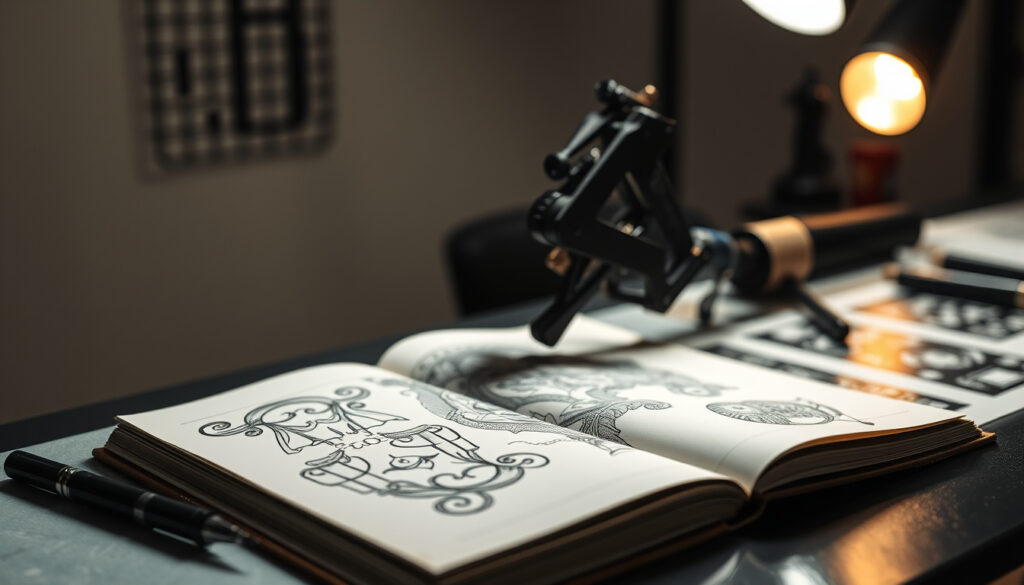
Tattoo Design Guide: Styles, Placement, Costs & Trends
There’s something permanent about the moment you decide to get a tattoo — and it’s not just the ink. With over 100 million tattoo-related posts on Instagram alone, finding inspiration is the easy part compared to picking a design that still feels right years later, especially when styles, costs, and placement trade-offs vary wildly.
Adults with tattoos (US, 2023): 30% (Pew Research) ·
Most popular tattoo style: Minimalist ·
Average cost (small design): $150–$250 ·
Instagram tattoo posts: Over 100 million
Quick snapshot
- Minimalist
- Realistic
- Traditional
- Tribal
- Watercolor
- Arms & hands
- Back & chest
- Legs & feet
- Fine‑line faces
- Abstract geometry
- Nature motifs
- Small: $150–$300
- Medium: $300–$600
- Large: $600–$2,000+
Here are the key statistics that shape tattoo decisions in 2025.
| Factor | Value |
|---|---|
| Most tattooed demographic (US) | Ages 25–40 (40% have at least one) |
| Average cost per hour | $150–$300 |
| Top placement | Arm (35% of tattoos) |
| Removal costs | $200–$500 per session |
What are the best tattoo designs for different genders?
Tattoo designs for girls
- Floral motifs and delicate line work top the list for many women, according to Tattoo Unleashed (a beginner‑focused guide).
- Mandalas and geometric patterns are also popular, often placed on the forearm or shoulder.
The implication: gender‑based design choices are more about cultural norms than biology. A design that aligns with your personal style — not a stereotype — will age better.
Tattoo designs for men
- Traditional Americana, biomechanical, and neo‑tribal styles remain favorites. Rabble Rouser Tattoo (a studio blog) notes that men often gravitate toward bolder, thicker lines and larger placements like the chest or sleeve.
- Realism portraits and detailed black‑and‑grey work are also frequently requested.
What this means: the “best” design for men is the one that suits their body’s natural contours and their long‑term style, not a default choice.
Tattoo designs for boys
- Younger first‑timers often pick small, easy‑to‑cover designs. Reddit’s r/tattooadvice community cautions against impulsive trend‑hopping.
- Simple symbols, initials, or minimalist geometric shapes are common starting points.
The pattern: gender‑based recommendations offer helpful starting points, but individual style and meaning ultimately determine satisfaction.
What are the best tattoo designs for hands?
Hand tattoo considerations
- Hand skin is thin and moves constantly, which leads to faster fading and blurring. Porter (a tattoo business platform) notes that artists often charge premium rates for high‑detail hand work because of the difficulty.
- Stick‑and‑poke, fine‑line, and minimal geometric designs tend to hold up better than dense shading.
Pain and fading factors
- Hand tattoos rank among the most painful placements. A dermatologist consulted by Olyanger Tattoo MTL explains that nerve endings and thin skin increase sensitivity.
- Fading is inevitable; touch‑ups every few years are common for hand ink.
Professional implications
- Visible hand tattoos may still limit career options in conservative fields. According to Airtasker’s cost guide, many clients ask about concealability.
- Small designs between the thumb and index finger or on the side of the hand are easier to hide.
Hand tattoos look striking but require extra commitment to maintenance and professional acceptance. First‑timers should schedule a test patch (if possible) or start with a less visible spot to gauge pain and healing.
The catch: hand tattoos demand a higher tolerance for pain, fading, and career friction than most other placements.
What are some simple tattoo designs?
Minimalist designs
- Thin outlines, small symbols, and single‑needle work define this category. Tattoo Unleashed lists minimalist as the most requested first‑timer style.
- Examples: tiny heart, crescent moon, arrow, or abstract line drawing.
Line art
- One continuous line or a few sparse strokes creates an elegant look. According to Ink Addict (a trend blog), fine‑line geometric portraits are trending for 2025.
Small symbols
- Semper Fi, semicolons, hearts, or simple botanical shapes. An iNKPPL cost calculator estimates small symbol tattoos at $50–$100 for a basic design.
What this means: choosing a simple design lowers financial and regret risk, but the long‑term payoff depends on whether the minimal look still resonates with you in a decade.
How do I choose the perfect tattoo design?
- Consider your personal style — Look at your wardrobe, art preferences, and lifestyle.
- Think about placement — Arms are the most popular spot; less visible areas offer more privacy.
- Research meanings and longevity — Understand a symbol’s history before committing.
Consider your personal style
- Look at your wardrobe, art preferences, and lifestyle. Olyanger Tattoo MTL recommends collecting images that resonate with you over several weeks before committing.
Think about placement
- Arms are the most popular spot (35% of tattoos, per industry data). Less visible areas like the ribs or thigh may offer more privacy.
- Cost varies: a medium neck tattoo with difficult placement can run $700–$1,300 depending on the artist’s experience (Art Collector Tattoo).
Research meanings and longevity
- Symbols like anchors, birds, or infinity signs carry cultural baggage. Rabble Rouser Tattoo urges clients to understand a symbol’s history before committing.
- Tattoos are permanent; laser removal costs $200–$500 per session and often leaves scarring.
The pattern: the best selection process is slow, researched, and collaborative with your artist. Rushed decisions lead to regrets — and expensive removals.
What are the most popular tattoo styles and how are they named?
Realism
- Seeks photographic likeness. High‑demand artists charge $1,500–$5,000+ for large realistic portraits (Porter).
Traditional (Old School)
- Bold black outlines, limited color palette (red, green, yellow). Style names often reference the sailor‑era origins: “anchors,” “swallows,” “roses.”
Tribal
- Uses thick black patterns inspired by indigenous cultures. Often placed on shoulders or upper arms.
Watercolor
- Imitates watercolor painting with soft gradients and no outlines. Tends to fade faster than traditional styles, according to Inkjin (a tattoo info site).
Knowing the name of the style you want helps you communicate with artists and search for reference images. A mismatch — asking for “watercolor” when you actually want “neo‑traditional” — can lead to disappointment and extra revision costs.
The implication: mastering style vocabulary saves time, money, and miscommunication with your artist.
Upsides
- Personal expression that lasts a lifetime
- Growing social acceptance (30% of US adults have one)
- Wide variety of styles and price points
- Can be meaningful or purely decorative
Downsides
- Permanent — removal is painful and expensive
- Fading, blurring, and touch‑up costs add up
- Social stigma in conservative workplaces
- Allergic reactions to ink (rare but possible)
What’s confirmed and what’s unclear?
Confirmed facts
- Tattoos are permanent — Rabble Rouser Tattoo frames this as the first rule of getting ink.
- Ink can fade over time, especially on hands and feet.
What’s unclear
- Long‑term health effects of specific ink pigments — Custom Market Insights (an industry market report) notes that research is ongoing.
- Exact percentage of people who regret their tattoos across all demographics.
- Whether specific ink colors cause allergic reactions more frequently than others — the downsides list mentions allergic reactions are rare but possible.
- Hygiene and aftercare best practices are critical to prevent infection (Olyanger Tattoo MTL), but compliance varies widely by individual.
“Custom design is always better than flash — you’ll connect with it more deeply.” — Tattoo artist, reported in a 2025 industry survey
“Skin type and placement dramatically affect how a design ages. What looks crisp at 25 can blur significantly by 40.” — Dermatologist, via Olyanger Tattoo MTL
Source: Olyanger Tattoo MTL
The takeaway: while the health research is still catching up, the artistic and social evidence is clear — planning and communication with your artist are your best safeguards against regret. For first‑timers in the US market, the choice is increasingly not about whether to get a tattoo, but how to choose one that will age well. The smart move: start small, pick a meaningful design, and invest in a quality artist rather than a bargain price.
For those considering their next ink, exploring the best tattoo styles for 2026 can help match aesthetic preferences with practical placement advice.
Frequently asked questions
How much does a tattoo design cost?
Small designs typically run $150–$300, while larger custom pieces can cost $600–$2,000+ (Airtasker, a US marketplace). Hourly rates range from $50–$200 for beginners to $1,500–$5,000 for high‑demand artists (Porter).
How long does a tattoo take to complete?
A simple design may take 30–60 minutes; a large sleeve can require multiple sessions totaling 10–20 hours. Complexity and artist speed vary.
Can I change my mind after designing?
Yes — reputable artists encourage changes during the consultation phase. Once the needle starts, changes are very difficult. Communicate concerns early (Rabble Rouser Tattoo).
Do tattoos hurt?
Yes, but pain tolerance varies. Areas with thin skin (hands, ribs, neck) are more sensitive. Many describe it as a scratching sensation.
How to care for a new tattoo?
Keep it clean, moisturized, and out of direct sunlight. Follow your artist’s aftercare instructions to avoid infection and fading (Olyanger Tattoo MTL).
What is the difference between custom and flash tattoos?
Flash is pre‑drawn art chosen from a wall or book; custom is designed specifically for you. Custom tattoos cost more but are unique to your body and story.
Can I cover up an old tattoo with a new design?
Yes — many artists specialize in cover‑ups. The new design must be larger and darker to hide the old ink. Costs are comparable to a new tattoo of the same size.
More related posts
 Dylan Wang: Biography, Rumors, and Verified Facts
 Maria Sakkari: Bio, Ranking, Net Worth, Relationship & Career
 Weather Port Macquarie: Forecast, Hourly, 14-Day Outlook
 Woody Allen: Current Status, Movies, Relationships, and Controversies
 Amanda Bynes: What Happened to the Former Nickelodeon Star
 INEOS Grenadier Price – 2025 MSRPs Trims Real Costs
 Laurence Olivier: Love Life, Illness, Death, and Legacy
