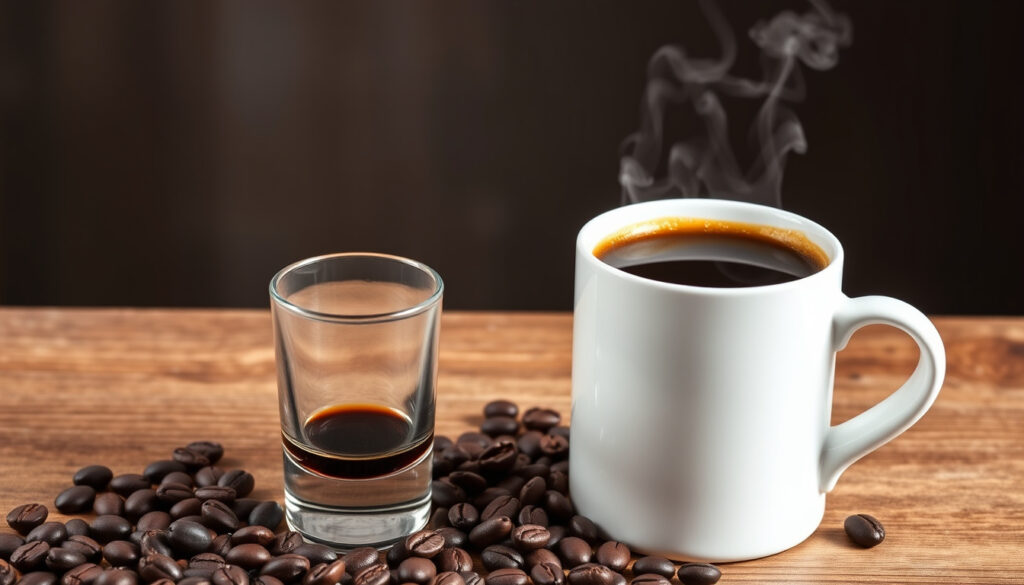
How Much Caffeine in a Shot of Coffee? Shot vs Cup Guide
If you’ve ever stared at an espresso machine wondering exactly how much caffeine is in that tiny shot, you’re not alone. It turns out the answer isn’t one-size-fits-all. A standard single espresso shot delivers roughly 63 mg, but Starbucks’ solo shot comes in closer to 75 mg—because brand-specific blends and serving sizes shift the numbers. This guide breaks down what the research actually says about caffeine in coffee shots, so you can order (or brew) with more confidence.
Single espresso shot (1 oz): 63 mg · Double espresso shot (2 oz): 120-150 mg · Average brewed cup (8 oz): 95 mg · Starbucks single shot: 75 mg · Daily safe caffeine limit for adults: 400 mg
Quick snapshot
- Standard single shot: 63 mg caffeine per 1 oz (Compass Coffee)
- Starbucks solo shot: 75 mg per 1 oz (Caffeine Informer)
- Double shot: 120-150 mg caffeine (Caffeine Informer)
- Exact mg varies by bean origin and roast date (PepsiCo Product Facts)
- Regional serving sizes create inconsistent baselines (PepsiCo Product Facts)
- Lab test data for decaf dates to 2006 (Caffeine Informer)
- Decaf lab testing done in 2006; no major updates since (Caffeine Informer)
- Starbucks caffeine guide remains current, but lacks real-time updates (Caffeine Informer)
- Consumer awareness of caffeine variation is growing
- More precise home brewing tools may help users track intake
| Label | Value |
|---|---|
| Average single shot caffeine | 63-75 mg |
| Average double shot caffeine | 120-150 mg |
| Brewed coffee per cup | 95 mg |
| FDA daily limit adults | 400 mg |
| Factors varying amount | Roast, bean, brew time |
How much caffeine is in a 30ml shot?
A 30ml shot is roughly equivalent to 1 ounce—the standard single espresso serving. Research shows that a standard 1 oz espresso shot contains approximately 63 mg of caffeine, according to Compass Coffee. The same volume from Starbucks’ solo shot measures slightly higher at 75 mg, as reported by Caffeine Informer.
Factors affecting caffeine extraction
Several variables influence how much caffeine ends up in your cup. The roast level matters significantly—lighter roasts like Starbucks’ Blonde actually contain more caffeine than darker roasts because the roasting process breaks down some of the caffeine molecules. Caffeine Informer notes that Starbucks’ Blonde Roast Tall (12 oz) delivers 270 mg versus 195 mg for the Dark Roast—nearly 40% more.
Bean origin, grind size, extraction time, and water temperature also play roles. As PepsiCo’s official product facts indicate, caffeine varies by cup fill level, type, and precise brewing conditions.
Single vs double shots
Doubling your shot doesn’t simply double the caffeine in a linear way. A standard double shot (2 oz) contains about 126 mg according to Fifty5Rivers Caffeine Journal, while Starbucks’ doppio reaches 150 mg per Caffeine Informer. The implication: two shots deliver 2× the caffeine, but the exact number depends on the brand and preparation method.
How much caffeine in a shot of coffee vs coffee?
The comparison between espresso shots and brewed coffee often surprises people. Espresso delivers roughly 63 mg per ounce, while drip coffee comes in around 12 mg per ounce, according to Compass Coffee. That makes espresso about 5× more concentrated by volume.
However, total caffeine matters more than concentration. While espresso is concentrated, a standard double shot (2 oz) contains about 126 mg. In comparison, a 12 oz drip coffee contains around 144 mg, per Fifty5Rivers Caffeine Journal. A Starbucks Grande (16 oz) Pike Place Roast reaches 235 mg—nearly double a double espresso.
Espresso concentration myth
Many assume espresso’s intensity means more caffeine per cup, but the small serving size keeps total caffeine moderate. A single espresso shot (1 oz) has 63-75 mg, while a standard 8 oz brewed coffee sits around 95 mg, per Compass Coffee. The catch: if you’re drinking multiple espressos or adding milk-based drinks with multiple shots, totals climb quickly.
Per-ounce vs total volume
Looking at CSPI’s authoritative caffeine chart, a Starbucks Grande (16 oz) Iced Coffee delivers 185 mg—more than a double espresso. The pattern is clear: larger servings from brewed methods often exceed espresso shot totals. What to watch: your serving size matters as much as the brewing method.
| Beverage | Serving Size | Caffeine (mg) | Source |
|---|---|---|---|
| Espresso single shot | 1 oz | 63-75 | Compass Coffee |
| Espresso double shot | 2 oz | 126-150 | Caffeine Informer |
| Drip coffee | 8 oz | 95 | Compass Coffee |
| Drip coffee | 12 oz | 144 | Fifty5Rivers |
| Starbucks Blonde Roast | 12 oz | 270 | Fifty5Rivers |
| Starbucks Pike Place | 8 oz | 235 | Barista Life |
| Starbucks K-Cup standard | 8 oz | 130 | Caffeine Informer |
| Cold brew | 12 oz | 207 | Fifty5Rivers |
The implication: concentration metrics tell only part of the story. A single ounce of espresso packs more caffeine than the same amount of drip, but a typical brewed serving contains far more total caffeine than most espresso drinks.
How much caffeine in one shot of espresso Starbucks?
Starbucks’ solo espresso shot contains 75 mg of caffeine according to Caffeine Informer—confirming the figure across multiple sources including Barista Life. Their doppio (double shot) reaches 150 mg. For context, an 8 oz cup of their Pike Place Roast brewed coffee contains 235 mg, per Barista Life.
Starbucks shot sizes
Starbucks offers espresso in specific increments. The single (solo) is 1 oz and contains 75 mg. The double (doppio) is 2 oz at 150 mg. Triple shots and quad shots exist in specialty drinks—an Espresso Quad at Starbucks (3 oz, 4 shots) delivers 300 mg according to Fifty5Rivers Caffeine Journal. Espresso drinks at Starbucks typically contain 150-300 mg total caffeine with 2-4 shots, per Barista Life.
Double shot variations
The Starbucks canned Doubleshot Espresso Americano (6.5 oz) contains 110 mg, according to Caffeine Informer. PepsiCo’s official product listing for the same item confirms 115 mg per serving. The variation likely reflects different preparation methods between canned and freshly pulled espresso.
| Product | Size | Caffeine (mg) | Source |
|---|---|---|---|
| Espresso Solo (single) | 1 oz | 75 | Caffeine Informer |
| Espresso Doppio (double) | 2 oz | 150 | Caffeine Informer |
| Espresso Quad (4 shots) | 3 oz | 300 | Fifty5Rivers |
| Canned Doubleshot | 6.5 oz | 110 | Caffeine Informer |
| Blonde Roast brewed | 12 oz (Tall) | 270 | Fifty5Rivers |
| Medium Roast brewed | 12 oz (Tall) | 235 | Fifty5Rivers |
| Dark Roast brewed | 12 oz (Tall) | 193 | Fifty5Rivers |
| Grande Iced Coffee | 16 oz | 185 | CSPI |
| Grande Caffè Mocha | 16 oz | 175 | CSPI |
| 2X K-Cup | 8 oz | 260 | Caffeine Informer |
| Decaf brewed (lab test) | 16 oz | 12.0-13.4 | Caffeine Informer (2006) |
| Decaf espresso (lab test) | Per shot | 3-15.8 | Caffeine Informer (2006) |
The pattern: Starbucks’ lighter roasts pack significantly more caffeine than darker options. A customer choosing Blonde Roast over Dark Roast nearly doubles their caffeine intake from the same serving size.
Is 180 mg of caffeine a lot?
For most healthy adults, the FDA recommends a maximum daily caffeine intake of 400 mg. That means 180 mg—roughly equivalent to two single espresso shots or one large Starbucks brewed coffee—falls well within safe daily limits. It’s a moderate intake level, not a concerning one.
Daily limits by age group
The picture changes by demographic. Healthy adults can safely consume up to 400 mg daily. Pregnant women should limit intake to 200 mg per day, per general health guidance. Adolescents and children should consume significantly less, with many pediatric guidelines recommending under 100 mg. Older adults may need to monitor sensitivity individually.
Context of intake
What matters is cumulative daily consumption, not a single serving in isolation. 180 mg from one beverage is fine if it represents your total intake. However, if you combine it with multiple other caffeinated drinks (sodas, energy drinks, additional coffee), you can quickly exceed recommended limits. CSPI’s caffeine chart shows that a Starbucks Tall Blonde Roast alone delivers 270 mg—already consuming most of your daily budget.
How much caffeine in a double espresso shot?
A standard double espresso shot (2 oz) contains approximately 126 mg of caffeine, according to Fifty5Rivers Caffeine Journal. Starbucks’ doppio comes in slightly higher at 150 mg, per Caffeine Informer. Either way, you’re consuming more caffeine than in a standard 8 oz brewed cup (95 mg) before accounting for milk, sugar, or additional drinks.
Standard double specs
A double espresso is technically 2 oz of liquid, extracted from roughly 14-18 grams of finely ground coffee under high pressure. The caffeine content depends on the coffee-to-water ratio, grind consistency, and extraction time. Longer extractions pull more caffeine but can result in bitter, over-extracted coffee.
3-shot ristretti
A ristretto uses the same amount of coffee grounds but half the water, producing a more concentrated, sweeter shot. Three shots of ristretti would theoretically contain similar caffeine to three standard shots (roughly 200-225 mg for standard, 225 mg for Starbucks) since the coffee dose is identical—the only variable is how much water passes through. However, the shorter extraction may pull slightly less caffeine overall.
Espresso shots concentrate caffeine into small volumes: 75 mg in a Starbucks single, 150 mg in a double. But a 12 oz Starbucks brewed coffee (270 mg for Blonde Roast) delivers more total caffeine than two espresso shots combined. Concentration vs. total volume—know which metric matters to you.
The FDA’s 400 mg daily limit means most people can safely consume about 5 standard espresso shots or roughly 3-4 Starbucks shots before hitting the threshold. Understanding the numbers helps you avoid accidentally exceeding safe levels—especially when combining coffee with other caffeine sources like sodas or energy drinks.
Espresso vs. Brewed Coffee: Caffeine Comparison
Two brewing methods, two caffeine profiles—here’s how they stack up across common serving sizes.
What We Know vs. What’s Uncertain
Confirmed
- Standard single shot: 63-75 mg range from verified sources
- Starbucks single: 75 mg, double: 150 mg (cross-referenced)
- Espresso ~5× more concentrated per oz than drip coffee
- Light roasts contain more caffeine than dark roasts
- FDA daily limit for healthy adults: 400 mg
Unclear
- Exact caffeine varies by specific bean origin and harvest
- No post-2006 lab testing for Starbucks decaf products
- Regional market variations not fully documented
- Nitro cold brew specifics lacking precise data
What Experts and Sources Say
“While espresso is concentrated, a standard double shot (2 oz) contains about 126 mg of caffeine. In comparison, a 12 oz drip coffee contains around 144 mg of caffeine.”
— Fifty5Rivers Caffeine Journal
“A single shot of Starbucks espresso contains about 75mg of caffeine, while an 8-ounce cup of Pike Place Roast contains 235mg—more than three times the caffeine of a single shot.”
— Barista Life caffeine reference
“Decaffeinated isn’t the same thing as caffeine-free. Decaf espresso shots can still contain 3-15.8 mg of caffeine per shot, according to 2006 lab testing.”
— Caffeine Informer caffeine guide
The pattern emerging from these sources: espresso shots deliver concentrated caffeine in small volumes, but brewed coffee servings often exceed their totals. A Starbucks Blonde Roast tall (270 mg) already consumes 67% of the FDA’s daily recommended limit—more than three single espresso shots. For consumers tracking caffeine intake, knowing both concentration and total volume matters.
For coffee drinkers who prefer single or double espresso shots, the math is straightforward: one Starbucks solo (75 mg) or doppio (150 mg) keeps you well under the 400 mg threshold. But combining multiple espresso drinks, adding energy drinks, or choosing high-caffeine brews pushes you toward or past recommended limits without much warning.
Related reading: best coffee roasters and cafes
Multiple shots quickly approach the FDA’s 400 mg daily adult limit, where intake thresholds vary by age and group.
Frequently asked questions
How much caffeine in a cup of coffee?
An 8 oz cup of brewed coffee contains approximately 95 mg of caffeine according to Compass Coffee. Larger servings contain proportionally more—a 12 oz drip coffee has around 144 mg, and a Starbucks Tall (12 oz) brewed can reach 235-270 mg depending on the roast.
Is 200 mg of caffeine a lot for a drink?
No. 200 mg represents half of the FDA’s recommended daily limit of 400 mg for healthy adults. A single Starbucks espresso shot (75 mg) or a small brewed coffee falls well below this threshold. However, consuming multiple caffeinated beverages throughout the day can push totals past safe limits.
Can I have 600 mg of caffeine in a day?
The FDA advises a maximum of 400 mg daily for healthy adults. Consuming 600 mg exceeds this recommendation and may cause side effects including jitteriness, insomnia, increased heart rate, and anxiety. If you regularly consume this amount, consider reducing intake.
Does coffee increase anxiety?
Caffeine can trigger or worsen anxiety symptoms in sensitive individuals. The stimulant increases heart rate and cortisol levels, which some people experience as nervousness or panic. If you notice anxiety after consuming coffee, consider switching to lower-caffeine options or decaf.
Does caffeine deplete potassium?
High caffeine intake may increase urinary excretion of potassium, potentially leading to deficiency over time. However, moderate coffee consumption is unlikely to cause significant depletion in most healthy individuals with balanced diets.
Rise and grind: Can you drink coffee on an empty stomach?
Drinking coffee on an empty stomach may cause digestive discomfort, increased acid production, and jitteriness for some people. The caffeine hits your system faster without food to slow absorption. If you experience discomfort, try eating something before your first cup.
What are six signs you’ve had too much caffeine?
Signs of excessive caffeine intake include: (1) Jitteriness or tremors, (2) Rapid heartbeat or palpitations, (3) Difficulty sleeping, (4) Anxiety or nervousness, (5) Digestive issues like nausea, (6) Headaches. If you experience these symptoms, reduce your caffeine consumption and consult a healthcare provider.